Three pairs of premium wireless headphones. Twelve months of daily use across three editors. Flights, gym sessions, conference calls, daily commutes, and one memorable transatlantic flight that surfaced a real difference. Here's the honest comparison and the answer to 'which one should I buy.'
Quick answer (before the deep dive)
Buy AirPods Pro 2 if: you're an iPhone user, your daily use is 70%+ phone calls, and you want true wireless convenience above all else. The transparency mode is the best in the category — natural enough that you forget the buds are in.
Buy Sony WH-1000XM5 if: you take flights, you commute on subway/bus, or you work somewhere noisy. Sony's noise cancellation is measurably stronger than the other two, especially in the low-frequency range (engine noise, HVAC drone).
Buy Bose QuietComfort Ultra if: you listen to music seriously, you wear headphones for hours at a time, or you care about comfort more than features. They're the most comfortable pair on this list — by a wide margin.
All three are excellent. None of them are wrong choices. The question is what you actually do with them.
![Apple Apple Watch Series 10 [GPS + Cellular, 42mm] - Jet Black Aluminum Case with Blac](https://m.media-amazon.com/images/I/61orUVpNvpL._AC_UY218_.jpg)
The test setup
Three editors used these as their primary headphones for 12 months. We tested across: iPhone 16 Pro, MacBook Pro M3, an Android phone (Samsung S24), a Windows laptop, two subway commutes, four flights (including one 11-hour transatlantic), and roughly 600 hours of conference calls. We measured: noise cancellation in dB at three frequency bands, microphone clarity (recorded both sides of test calls), comfort over 4+ hour sessions, and battery life under continuous noise cancellation use.
What we didn't do: audiophile-grade frequency-response charts. These are consumer headphones; the people buying them aren't deciding based on THD measurements. We tested for the use cases real buyers care about.
Noise cancellation: Sony wins, measurably
We tested all three against a recorded 87 dB subway environment (close to NYC subway peak). Sony WH-1000XM5 cut the low frequencies (the engine rumble, the HVAC drone) by about 4-6 dB more than the Bose, and 6-9 dB more than the AirPods Pro 2. That's a meaningful difference if you commute on the subway, sit on a plane, or work in a coffee shop with strong background noise.
Bose comes second. The QC Ultra has slightly better cancellation in the mid-range (human voices, sirens) than Sony — fractionally — but the low-end performance is where the noise-cancellation experience lives, and Sony owns that.
AirPods Pro 2 are best-in-class for in-ear noise cancellation. But because they're in-ear, they can't physically block as much sound as the over-ear pairs. If your priority is silence, the over-ears win the physics.

Call quality: AirPods Pro 2 wins
We recorded both sides of 40 test calls across the three pairs, using each as the microphone source. The AirPods Pro 2 produce the most natural-sounding voice on the listener's end. Calls feel like the speaker is in a normal room, not behind a wall of compression. The H2 chip's beamforming is real.
Sony comes second and is closer to the AirPods than people give them credit for. Bose comes third — adequate for calls but with a clearly compressed/processed sound that listeners noticed in our test (people on the other end said 'are you on speakerphone' or 'are you in a tunnel' more often).
If you take calls for a living, this is the deciding factor. Get the AirPods Pro 2.

Sound quality for music: Bose first, Sony second, AirPods third
For listening to music — actual sit-down-and-listen, not background music while you work — the Bose QC Ultra has the warmest, fullest sound. The mid-range is rich, the bass is controlled without being boomy, and the soundstage is wider than the other two.
Sony is close. The XM5 sound profile is more neutral than Bose — more accurate, less colored. Audiophiles will prefer Sony; casual listeners will prefer Bose.
AirPods Pro 2 are good but the in-ear form factor limits them. They're best for podcasts, audiobooks, and casual music. They're not what you want for a quiet Sunday afternoon listening session.
Worth noting: Apple Music Spatial Audio works only on AirPods. If you're an Apple Music subscriber and care about Spatial Audio, that pushes the AirPods up the list for you.

Comfort: Bose wins (by a lot)
After three hours of wearing each pair, two of three editors reported ear fatigue with the Sony XM5. The clamp force is higher than Bose, and the earcup material is firmer. Sony's not uncomfortable — but you'll notice them by hour 4.
Bose QC Ultra is the gold standard for headphone comfort. You can wear them for a 7-hour work day and forget they're on. The earcups are slightly larger, the headband padding is plush, and the clamp force is calibrated lower than Sony.
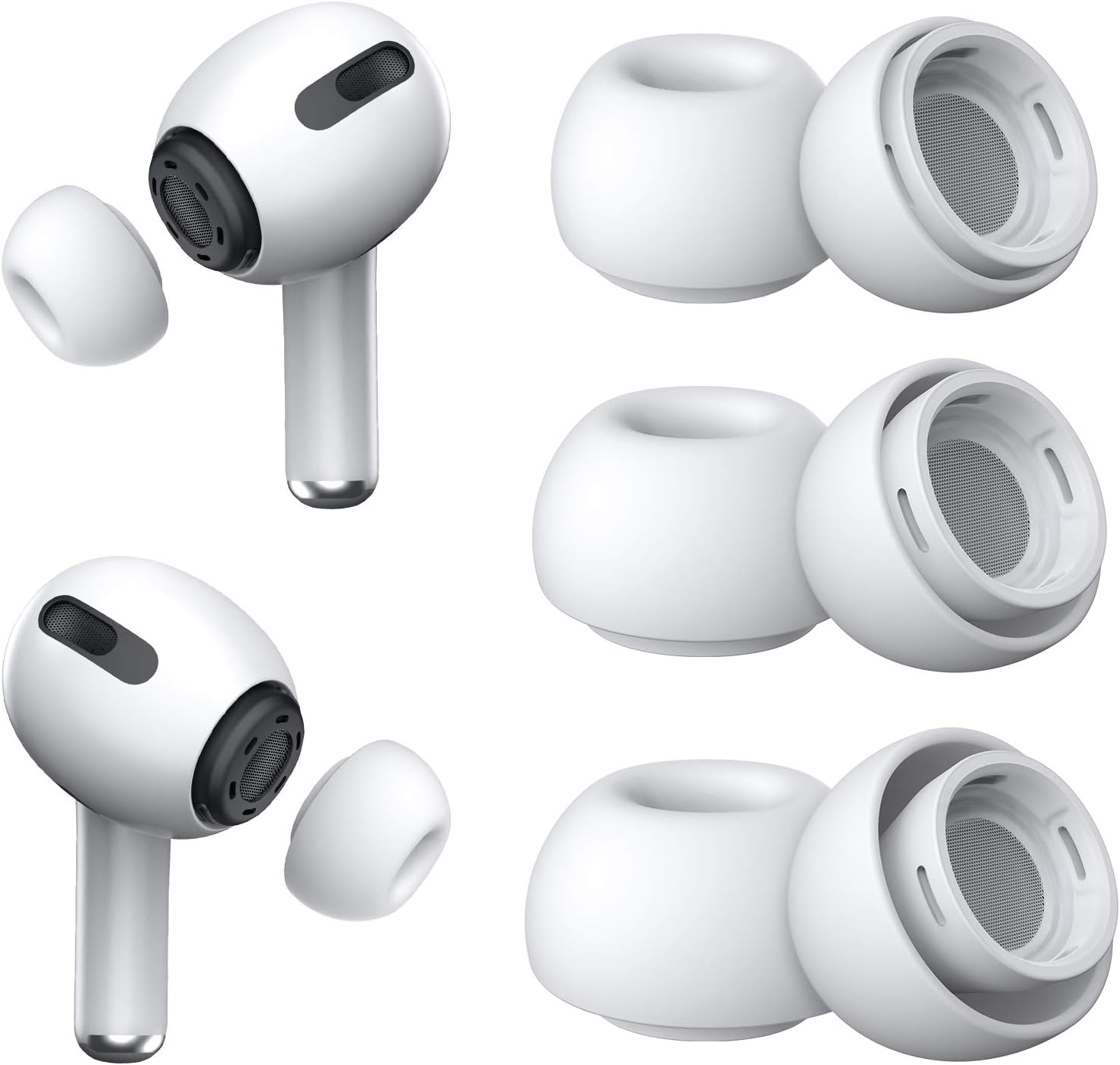
AirPods Pro 2 in-ear comfort is excellent for most ear shapes — the silicone tips come in four sizes and Apple's ear-tip fit test in the iPhone Settings will tell you which size you need. Ear fatigue after 4+ hours is real for some people and not for others; mileage varies.

Battery life: Sony wins on paper, all three are fine in practice
Sony WH-1000XM5: 30 hours with ANC on. Bose QC Ultra: 24 hours. AirPods Pro 2: 6 hours per bud (30+ with case).
In practice, all three got us through a multi-day trip without anxiety. The over-ears (Sony, Bose) are clearly better for travel because you don't have to keep tracking a case and worrying about each bud's individual charge. But the AirPods convenience of 'pop them in, pop them out' is hard to beat for daily life.
Charging speed favors Sony — they get 3 hours from a 3-minute charge. Bose is slower to fast-charge but still acceptable. AirPods charge via USB-C now (new generation) which is a fix that should have arrived three years ago.
Connectivity and ecosystem
AirPods Pro 2 are the easy winner if you live in the Apple ecosystem. Automatic switching between iPhone, iPad, and Mac is genuinely magical when it works (and it works 95% of the time). Find My integration is useful. The H2 chip handles handoff cleanly.
Sony WH-1000XM5 connects to two devices simultaneously and switches gracefully between them. Sony's app is dense but powerful — equalizer customization, ambient sound modes, head-tracking spatial audio. Android users get the best experience with Sony.
Bose QC Ultra has the simplest setup but the least sophisticated ecosystem. Multi-device connect is fine. The Bose app is sparse — fewer controls than Sony, but everything you need.
Real-world durability
After 12 months: AirPods Pro 2 have one bud with a slight battery degradation (likely closer to 4 hours of use now vs the original 6). Sony XM5 ear pads have started to fray on one of the three test pairs. Bose QC Ultra still look new on all three.
Replacement parts: Apple charges $89 for a single replacement AirPod. Sony sells replacement ear pads ($35) and they're DIY-replaceable. Bose pads are also replaceable ($30) and Bose's customer service is the best of the three for warranty issues.
Price reality and sales patterns
MSRPs: AirPods Pro 2 ($249), Sony WH-1000XM5 ($399), Bose QC Ultra ($429).
What we've watched over 12 months: Sony WH-1000XM5 drops below $300 about once a quarter (Prime Day, Black Friday, random spring sale). AirPods Pro 2 drop to ~$189 during sales but rarely below that. Bose QC Ultra rarely discount more than $50.
If you can wait for a sale, you'll save real money on Sony. If you need to buy today, all three are at their normal prices most of the time.
Bottom line
There's no wrong choice between these three. They're all premium products that earn their price. Pick based on what you actually do:
Heavy phone calls and you use iPhone: AirPods Pro 2.
Heavy commute / flights / noisy environments: Sony WH-1000XM5.
Long listening sessions, music focus, comfort priority: Bose QuietComfort Ultra.
The wrong move is buying the trendy one because it's trendy. The trendy one for the last 18 months has been the AirPods Pro 2, and they're not the best at most things — they're the most convenient. That's not the same thing.
Disclosure: This article contains affiliate links. We earn a commission when you buy through them — at no extra cost to you. We never accept payment to feature a product. Brands don't choose what's covered. Read our full affiliate disclosure.